

Low dose CT scanning in cancer care
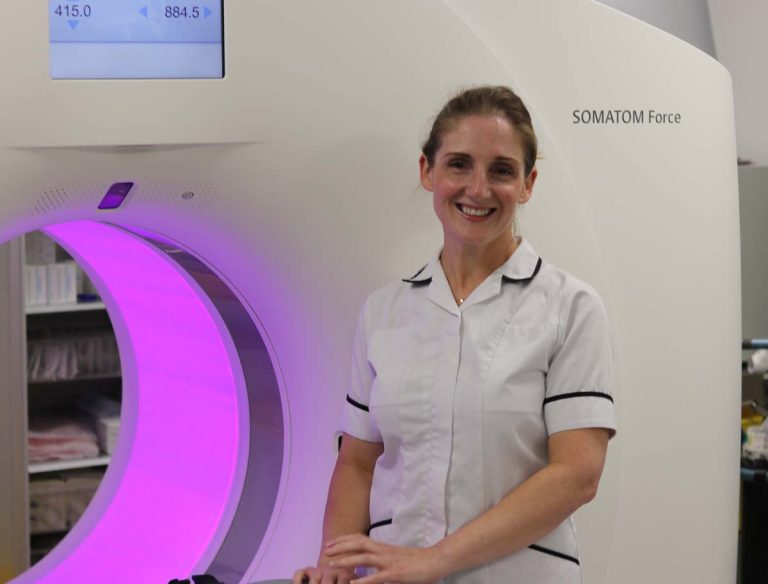
People with cancer are now able to benefit from lower radiation doses than ever before when having CT scans as part of their routine medical care and follow up. Dr Andrew Gogbashian explains.
Latest news from Paul Strickland Scanner Centre. You can also read more in our newsletter, Inside View or on our social media channels.

People with cancer are now able to benefit from lower radiation doses than ever before when having CT scans as part of their routine medical care and follow up. Dr Andrew Gogbashian explains.

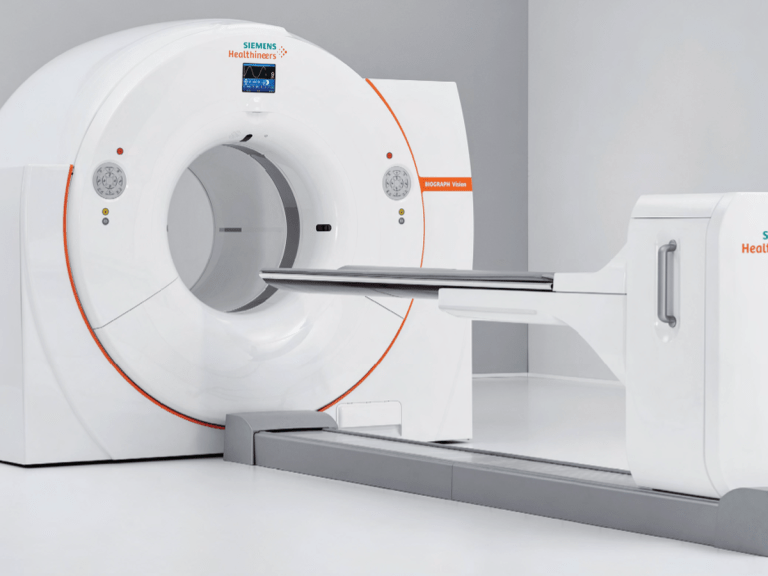
With a brand new, faster Positron Emission Tomography and Computed Tomography (PET-CT) scanner due for installation at the Centre in 2022, Dr Wai-Lup Wong gives insight into the fascinating history of this revolutionary scanning technique which counts our founder, Dr Paul Strickland, as one of its pioneers.

A leading consultant radiologist at Paul Strickland Scanner Centre has been rated as a world expert in prostatic neoplasms such as prostate cancer.

A unique collaboration between Paul Strickland Scanner Centre (PSSC) and Mount Vernon Cancer Centre (MVCC) is seen as hugely beneficial to the care and treatment of cancer patients at Mount Vernon.

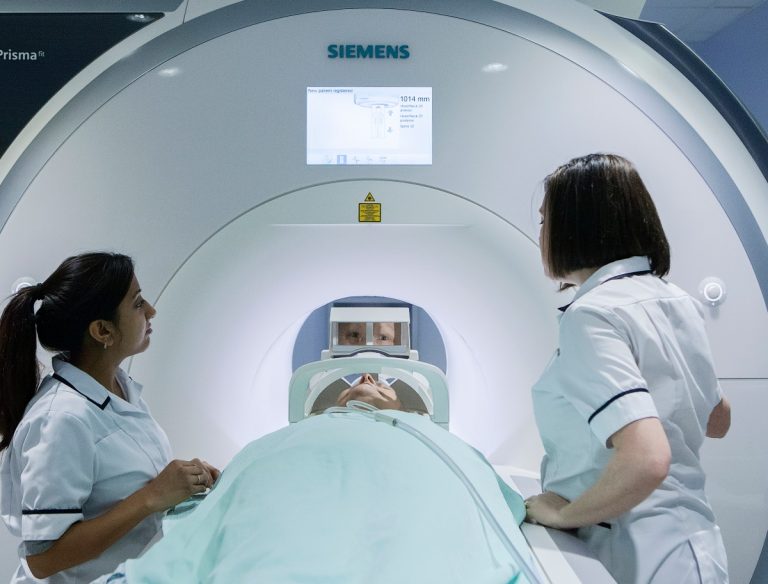
Mr Will McGuire, Deputy Superintendent for MRI, shares how our newest MRI scanner is helping cancer patients’ treatment.

This year’s course will be held entirely online and is aimed at radiologists and oncologists, trainees, diagnostic and therapy radiographers as well as allied professionals.

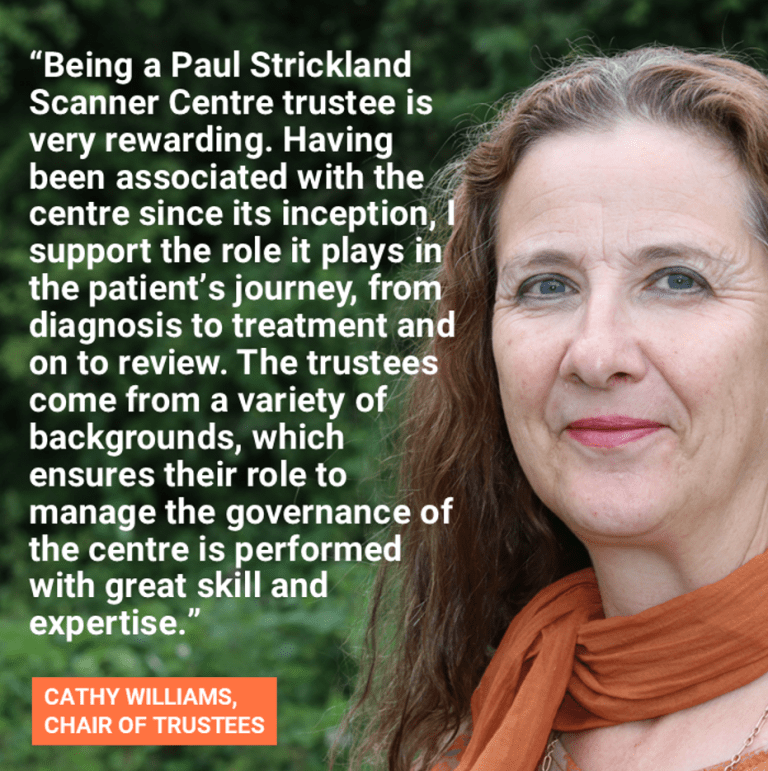
Mrs Cathy Williams has been appointed as the new Chair of the Paul Strickland Scanner Centre Trustee Board, following the retirement of Dr Terry Wright.

Research made possible by a gift left in her Will by a supporter of PSSC finds that whole-body MRI could drastically improve metastatic breast cancer care.

Collaborative project between Paul Strickland Scanner Centre and Mount Vernon Hospital shows how patients can be spared excess radiation.

We’ve joined a pilot study for the Vague Symptoms Pathway (VSP), a programme that could one day lead to a faster diagnosis of cancer for patients. The programme aims to find the quickest, most efficient way to reach a diagnosis in patients who visit their GP with non-specific symptoms. Although

André Nunes, who recently returned to us from an important role in central London, writes about the role of the technologist. ‘I was born in Portugal and moved to the UK in 2008. My initial degree was in Nuclear Medicine and I have since completed several post- graduate studies: MSc

Results of the PROSTAGRAM trial, held at Imperial College London and Paul Strickland Scanner Centre, have just been published in the prestigious medical journal, JAMA Oncology.