It’s natural to wonder if a whole-body MRI scan is right for you. A whole-body magnetic resonance imaging (MRI) scan gives you a detailed look at many areas of your body in one appointment.
You don’t need to have symptoms to consider one. Some people choose a scan because they want to understand more about their health, while others may want reassurance because of their medical or family history.
A whole-body MRI isn’t right for everyone, so it’s important to understand what the scan can show and what it may not pick up. In this guide, we explain who may benefit from a scan and what to consider before deciding if it’s right for you.
What is a whole-body MRI scan?
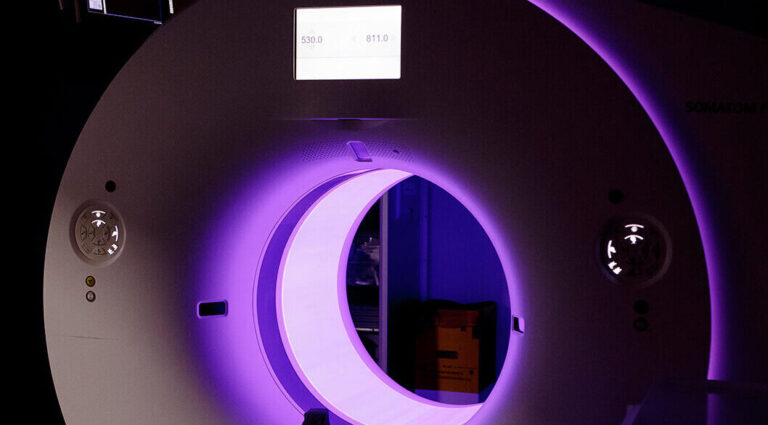
A whole-body MRI scan uses a strong magnetic field and radio waves to create detailed images of areas throughout your body. Unlike an X-ray or computed tomography (CT) scan, MRI doesn’t use ionising radiation (a type of radiation that can damage cells in high doses).
The scan allows doctors to look for unusual changes that may need further investigation, including changes that aren’t causing you symptoms.
A radiologist (a doctor trained to interpret medical scans) will review your images and identify any findings that may need extra attention.
Why might someone consider a whole-body MRI scan?
You might choose a whole-body MRI for different reasons. It might be about taking a more proactive interest in your health and getting a wider view of what’s happening inside your body.
Because the scan covers many areas during one appointment, it can provide information beyond tests that focus on one specific part of the body. It doesn’t replace other investigations, and you’ll need to weigh the results alongside any symptoms you have.
Your reasons for having the scan will be different from anyone else’s, so it’s helpful to understand what information you’re hoping to gain before you book.
Can you have a whole-body MRI scan if you feel well?
Whole-body MRI’s are designed for people who aren’t experiencing symptoms. Unlike scans arranged to investigate a particular problem, you can have a whole-body MRI scan if you feel well and want more information about your health.
Having no symptoms doesn’t mean a scan won’t find something. In fact, a whole-body MRI can detect changes before symptoms appear.
A whole-body MRI scan can also identify changes that are harmless but still need checking. This is sometimes known as an incidental finding, which simply means something unexpected has appeared on the scan.
Thinking about this before you book can help you decide if a whole-body MRI is right for you.
Who may benefit from a whole-body MRI scan?
You might choose a whole-body MRI because you’d like extra reassurance about your health. It may also be relevant if you have a family history of cancer and are concerned about your own risk.
Some inherited genes can increase the risk of certain cancers. In these circumstances, whole-body MRI can sometimes form part of a planned screening programme. The right approach will depend on your individual risk, so you should discuss this with the healthcare professional managing your care.
If you have symptoms, it’s important to speak to your GP or the doctor managing your care. They can decide which investigation is most appropriate rather than relying on a whole-body screening scan.
What can a whole-body MRI scan look for?
A whole-body MRI creates detailed images of many parts of your body, including soft tissues and bones. A radiologist will examine your images for unusual changes that need extra attention.
At Paul Strickland Scanner Centre, the scan looks for possible signs of cancer, including some cancers that don’t currently have established screening programmes. This means it can provide a broader view than screening that focuses on one specific part of the body.
Finding an unusual area doesn’t automatically mean that cancer is present. Many findings are benign, which means they aren’t cancerous. Some may still need another test before your doctor can be certain what they are.
What can’t a whole-body MRI scan tell you?
A whole-body MRI can provide a detailed overview, but no scan can detect every cancer. Very small cancers may not always show up, and some tests are better at examining specific parts of the body than a whole-body scan is.
It also shouldn’t replace established NHS cancer screening programmes. Breast screening, for example, uses a mammogram, which is a type of breast X-ray designed specifically to look for signs of breast cancer.
Other screening programmes have their own tests chosen for the specific condition they look for. A whole-body MRI is best seen as extra information rather than a replacement for screening you’ve already been invited to attend.
Knowing these limits can help you decide what you hope to gain from the scan before you book.
Is a whole-body MRI scan suitable for everyone?
If you have certain implants or medical devices, you may not be able to have the scan safely, because MRI uses a powerful magnetic field.
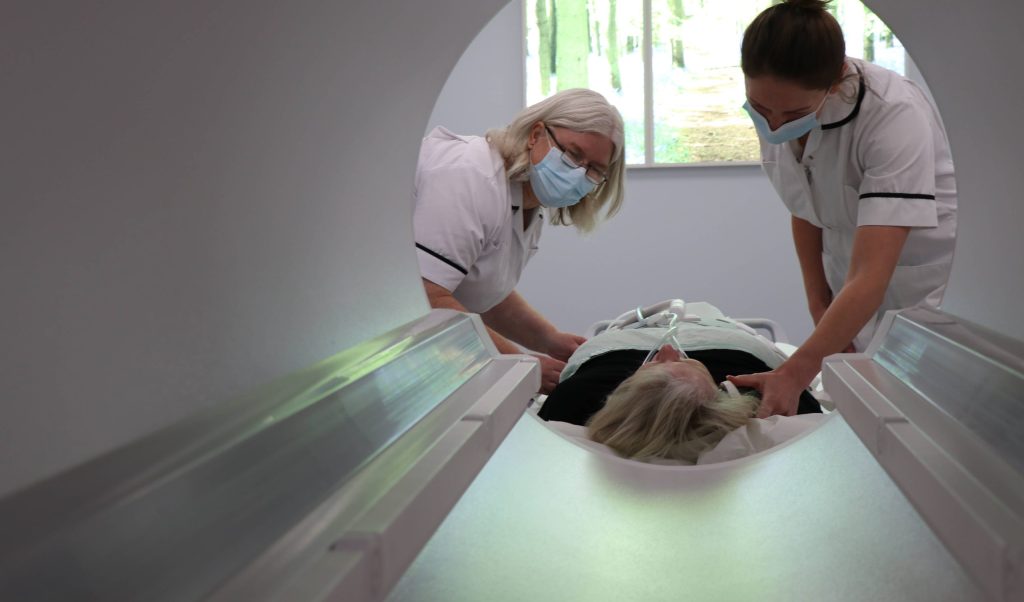
You’ll need to lie still inside the scanner for a while. This can feel difficult if enclosed spaces make you anxious. If you’re worried about having a scan, let the team know before your appointment so they can explain what support may be available.
Before we confirm your scan, we’ll ask about your medical history and anything that could affect your suitability. This helps the team check that an MRI is appropriate for you.
It’s also worth thinking about how you may feel if the scan identifies something unexpected. You may sometimes need further tests even when a finding later proves to be harmless.
Whole-body MRI at Paul Strickland Scanner Centre
If you’re thinking about having a whole-body MRI, knowing what the scan involves can help you work out if it’s right for you.
At Paul Strickland Scanner Centre, you can self-refer without going through your GP. The team can explain what to expect and answer your questions before you decide to book.
If you’d like to book a whole-body MRI scan, complete our online form and a member of our team will be in touch with you.