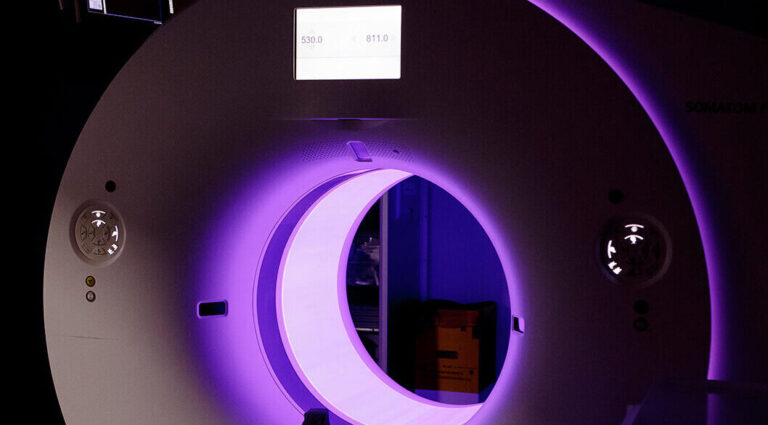
Paul Strickland Scanner Centre is set to launch a new private MRI prostate cancer screening service this year, combining expert clinical oversight with advanced artificial intelligence technology.
The service will use Deep Resolve AI software to support high‑quality MRI imaging and will be available to men over 45. Eligible men will be able to self‑refer and book directly through the Centre’s website, without the need for a doctor’s referral.
Prostate cancer is now the most commonly diagnosed cancer in men in the UK, with around one in eight men will be diagnosed in their lifetime. Risk rises with age, family history and ethnicity, yet many men remain unsure about when – or how – to check their prostate health.
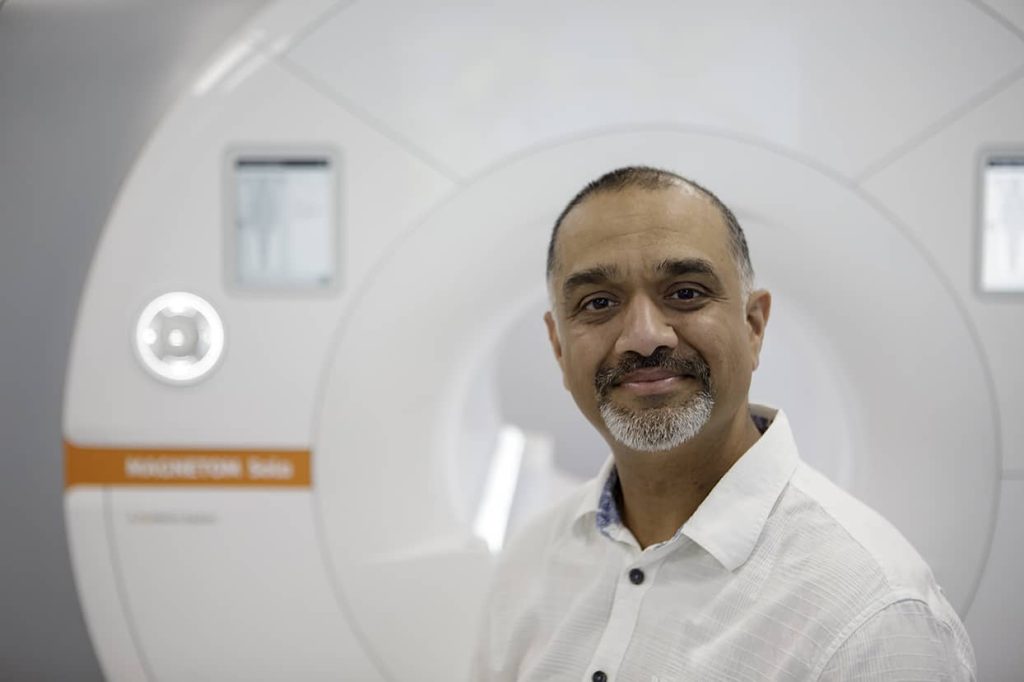
Later this year, Paul Strickland Scanner Centre is launching a new private prostate MRI screening service, designed for men aged 45 and over who are at increased risk of prostate cancer, or who simply want reassurance. The service will be led by Professor Anwar Padhani, the Centre’s lead consultant for MRI and one of the world’s most respected experts in prostate cancer imaging.
Why prostate cancer is hard to spot early
Prostate cancer often develops slowly and may cause no symptoms in its early stages. Traditionally, assessment begins with a PSA blood test and, if needed, a biopsy. While PSA testing has an important role, it is not perfect and can sometimes lead to unnecessary biopsies or missed aggressive disease. Over the past decade, multiparametric MRI (mpMRI) has transformed how clinicians assess the prostate. MRI provides detailed images of prostate tissue, helping doctors identify areas that look suspicious and, crucially, distinguish cancers that are likely to be clinically significant from those that are not.
Large studies now show that MRI‑based screening pathways can reduce unnecessary biopsies and overdiagnosis, while still detecting cancers that matter. This growing evidence has led many clinicians to see MRI as a valuable addition to prostate cancer early detection when used carefully and responsibly.
What the new service offers
The new prostate screening service at Paul Strickland Scanner Centre uses a non‑invasive MRI scan, typically completed in under an hour, with no needles or radiation. It is aimed at asymptomatic men – those without worrying symptoms – who want a clearer picture of their prostate health.
Men who do have symptoms are advised to see their GP first, so they can be assessed quickly through NHS pathways. Scans are performed using the Centre’s high‑specification MRI equipment and interpreted by an expert team with decades of experience in prostate imaging. Results are reported promptly, and where findings need further investigation, patients are guided on appropriate next steps.
Prof Padhani said: “MRI has become a powerful tool for assessing prostate cancer risk more accurately. Used responsibly, it can help identify cancers that need treatment, while sparing many men unnecessary procedures. This service is about informed reassurance, not replacing NHS care.”
A responsible approach to screening
It is important to be clear about what MRI screening can – and cannot – do. An MRI scan does not diagnose cancer on its own; biopsies are still needed to confirm disease. And not every cancer detected needs immediate treatment. Many prostate cancers grow so slowly that careful monitoring can be safer than intervention.
That is why this new service has been designed with clear eligibility criteria, careful reporting and strong clinical oversight.
The aim is to support men in making informed choices about their health, not to over‑medicalise it.
Private services fund patient care and research
As an independent medical charity, Paul Strickland Scanner Centre receives no government funding. Income from private services helps sustain cutting‑edge imaging for both NHS and private patients, supports research, and ensures continued investment in world‑class equipment and expertise.
Men interested in the new prostate MRI screening service will be able to self‑refer online through our website, www.stricklandscanner.org.uk, when it launches later this year. Further details will be shared in the coming weeks.
The current picture
The NHS does not offer mass, population-wide prostate cancer screening for all men because the initial Prostate-specific Antigen (PSA) blood test is considered too unreliable to be deployed safely on such a large scale. Because routine screening is not automatically sent out, how men are responding largely comes down to individual awareness and proactive decision-making:
1. Targeted Screening for High-Risk Groups
Following a major clinical review, the UK National Screening Committee recommends targeted screening. This is being rolled out specifically for men aged 45 to 61 with confirmed faults in the BRCA2 gene and a family history of breast, ovarian, pancreatic, or prostate cancer. For other high-risk groups (including Black men who face higher statistical risks), universal screening is not currently offered due to concerns over false positives and overtreatment.
2. The Opt-In Approach for All Men
For men without symptoms, the NHS operates on an informed-choice basis. Any man aged 50 and over can contact their GP to request a PSA test. Because men over 50 (and particularly over 65) are at the highest risk, many are taking advantage of this policy to discuss the risks and benefits of the test with their doctors.
3. Community and Charity Initiatives
To reach demographic groups who may otherwise be less likely to visit a GP, local NHS trusts and charities (like Prostate Cancer UK) have launched targeted awareness campaigns and community-based testing options. Localized initiatives, such as the Man Van by The Royal Marsden NHS Foundation Trust in London, have been highly effective. These mobile health clinics visit workplaces and local community hubs to offer free health checks, which have successfully prompted hundreds of at-risk men to get tested early.
4. Responding to Symptoms
The most common way prostate cancer is caught in the UK is when men respond to changes in their bodies and seek medical advice. Men are highly encouraged to see their GP if they experience any of the following symptoms:
- Difficulty starting to urinate or a weak flow
- Needing to urinate frequently, especially at night
- Blood in their urine
- Erection issues.
To help men make informed choices, organizations provide resources to weigh the pros and cons of the PSA test, which can result in false positives and unnecessary biopsies. Check your risk profile at www.prostatecanceruk.org/riskchecker
If you would like to be notified when the new Prostate Cancer service is launches, click the ‘Notify me’ button below and complete the form. We will keep you updated on the latest develepments.