Fatty liver disease can develop without noticeable symptoms, but lifestyle changes such as improving your diet, increasing physical activity and managing weight can often help reduce fat levels in the liver.
Monitoring progress is also important. Specialist magnetic resonance imaging (MRI) scans can measure changes in the liver over time without the need for invasive tests. At Paul Strickland Scanner Centre, we use advanced liver imaging to help provide a clearer picture of liver health and how it may be changing.
Understanding fatty liver
Fatty liver happens when excess fat builds up in the liver. While small amounts of fat are common, too much can affect how the liver works and increase the risk of inflammation or liver damage over time.
Some cases are linked to alcohol intake, while others develop in people who drink little or no alcohol. This is known as non-alcoholic fatty liver disease (NAFLD), which is often associated with excess weight, type 2 diabetes and high cholesterol.
Fatty liver disease doesn’t always cause symptoms in its early stages, so many people are unaware they have it until it is found through blood tests or imaging scans.
Can fatty liver be reversed?
In many cases, fatty liver disease can improve with sustained lifestyle changes, particularly when it’s identified early.
Reducing liver fat through changes such as improving diet, increasing physical activity and managing weight may help lower the risk of inflammation and longer-term liver damage.
How diet may help reduce liver fat
Diet is one of the most important factors in managing fatty liver disease. The liver plays a central role in processing nutrients, storing energy and breaking down fats, so everyday eating habits can directly impact how much fat builds up over time.
For many people, small but consistent changes are often more realistic and easier to maintain than strict or highly restrictive diets.
Reducing foods high in sugar and refined carbohydrates
Foods and drinks high in added sugar can contribute to increased liver fat, particularly sugary drinks, sweets and heavily processed snacks. Refined carbohydrates such as white bread, pastries and some breakfast cereals may also affect blood sugar levels and encourage excess fat storage.
Reducing these foods does not necessarily mean cutting them out completely, but limiting how often they are eaten may help reduce pressure on the liver over time.
Choosing foods that support liver health
A balanced diet may help reduce fat within the liver while supporting overall wellbeing. Many people are encouraged to include:
Mediterranean-style eating patterns are often recommended for people with fatty liver disease because they focus on these types of foods in a sustainable and balanced way.
Alcohol and fatty liver disease
Alcohol can place additional strain on the liver, even in people whose fatty liver disease is not primarily alcohol-related. In some cases, reducing alcohol intake may help slow further liver damage and support recovery.
If you have been diagnosed with fatty liver disease, it’s important to discuss alcohol intake with your doctor or healthcare team so they can provide advice based on your individual health needs.
The role of exercise in fatty liver improvement
Regular physical activity can help reduce liver fat by improving how the body uses energy and stores fat. Exercise may also help the body respond more effectively to insulin, the hormone that helps regulate blood sugar levels. When the body becomes less responsive to insulin (known as insulin resistance), the risk of fat building up in the liver can increase.
You don’t need to start with intense workouts to see benefits. Gradual, consistent activity is often the most sustainable approach, especially if you haven’t exercised regularly for some time.
Aerobic exercise and liver health
Activities that raise your heart rate (aerobic exercise) can help the body burn stored fat more effectively.
Examples of aerobic exercises include:
Even moderate increases in activity levels may have a positive effect when maintained consistently over time.
Strength and resistance-based activity
Strength-based exercise may also help by improving muscle mass and supporting metabolism. This could involve resistance bands, bodyweight exercises or light weight training, depending on your fitness level and overall health.
For some people, combining aerobic and resistance-based exercise may provide additional benefits alongside dietary changes and weight management.
Why weight management matters
Excess weight, particularly around the abdomen, is closely linked to fatty liver disease. Higher levels of body fat can increase fat stored in the liver and affect how well it functions.
For many people, even modest weight loss may help reduce liver fat and improve overall liver health. Gradual, sustainable changes are usually more effective than rapid weight loss plans, especially when combined with regular physical activity and realistic dietary adjustments.
How scans can help monitor changes in liver fat
Lifestyle changes can improve fatty liver disease over time, but symptoms do not always reflect what is happening inside the liver. Imaging can help provide a clearer picture by measuring liver fat directly and monitoring how it changes.
Measuring liver fat with MRI
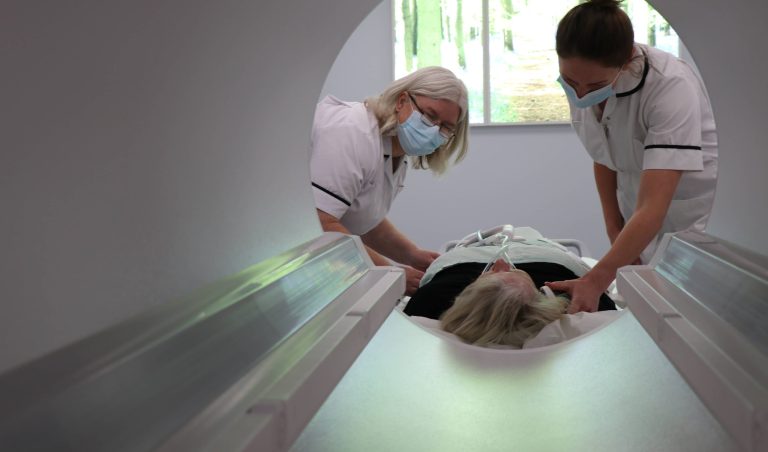
Specialist MRI liver assessments, including techniques such as LiverLab, can measure the amount of fat within the liver without invasive procedures. Unlike some imaging methods that rely on visual estimation, MRI scans can provide more detailed and accurate information about liver fat levels.
This can help doctors identify fatty liver disease earlier and monitor how the liver responds to lifestyle changes or treatment over time.
Tracking progress over time
Repeat imaging can compare measurements taken at different time points, helping show whether fat levels are improving, remaining stable or increasing. This information may help guide ongoing care and support discussions around diet, exercise and weight management.
For many people, seeing measurable changes on imaging can also provide reassurance and motivation to continue with long-term lifestyle adjustments.
When to consider a liver scan
A liver scan may be helpful for people who:
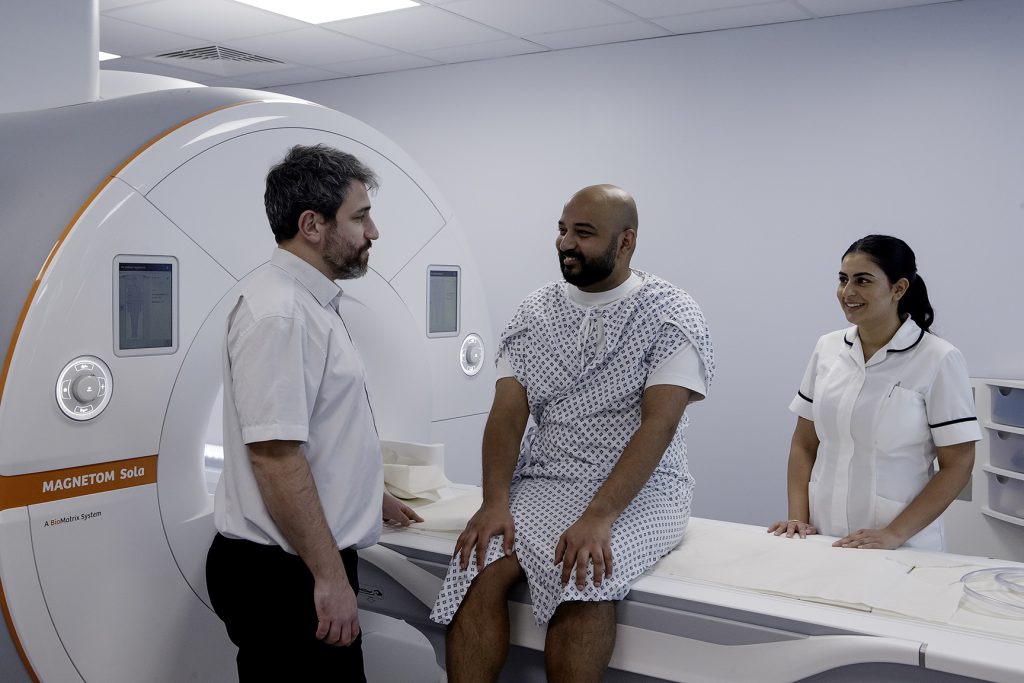
At Paul Strickland Scanner Centre, advanced MRI liver assessments provide a detailed way to measure liver fat and support ongoing monitoring in a patient-focused environment.
Support your liver health with Paul Strickland Scanner Centre
Making lifestyle changes can play an important role in improving fatty liver disease, but understanding how the liver is responding over time can also be valuable. Advanced MRI liver assessments at Paul Strickland Scanner Centre provide a detailed, non-invasive way to measure liver fat and track changes over time.
If you’re unsure if you have a fatty liver and would like to learn more about liver imaging, our team is here to help. We can explain the process, answer your questions and help you take the next step in understanding your liver health.
Book your fatty liver scan today to learn more about your liver health and monitor changes over time.